CO2 welding (a form of MAG welding) is a high-speed, cost-effective industrial process using a consumable wire electrode and
gas for deep-penetration welding on carbon steel. Key equipment includes a constant voltage DC power source, wire feeder, gun,
cylinder/regulator, and earth clamp, suitable for heavy-duty fabrication.
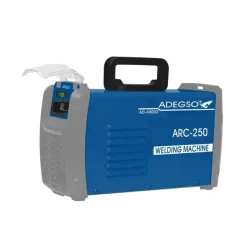
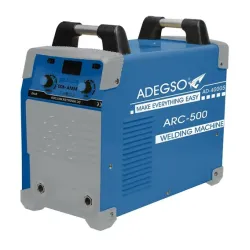
Power Source: Usually a DC rectifier or inverter (380V for industrial use) providing constant voltage.
Wire Feeder: A motor-driven mechanism that pulls electrode wire from a spool and pushes it through the welding gun at a constant speed.
Welding Gun (Torch): Air-cooled or water-cooled, featuring a trigger, contact tip, and nozzle to direct the filler wire and gas.
Gas Cylinder & Regulator: Stores
and reduces pressure to a usable, steady level.
Consumables: Solid steel wire (usually copper-coated) for filler metal.
MIG/MAG Welding (Mixed Gas): Similar to
welding but uses Argon/
blends for less spatter and cleaner welds on thinner, high-alloy steels.
TIG Welding (GTAW) Equipment: Uses a non-consumable tungsten electrode and Argon gas for high-precision, clean welds on materials like aluminum and stainless steel. It requires a TIG torch, foot pedal for amperage control, and high-frequency unit.
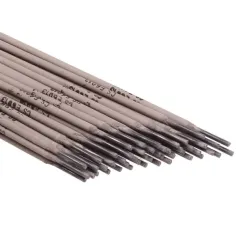
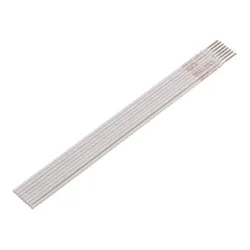
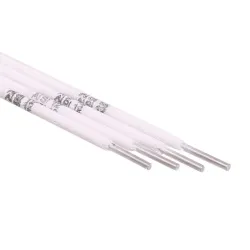
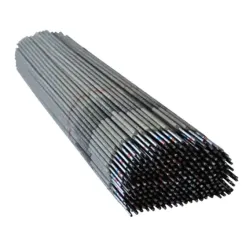
Stick Welding (SMAW/MMA) Equipment: Uses a flux-coated consumable electrode, ideal for field/outdoor repairs. Equipment is simpler: AC/DC transformer/inverter, electrode holder, and ground clamp.
Flux-Cored Arc Welding (FCAW) Equipment: Uses a wire with a flux core (sometimes with external gas) for high deposition rates and deeper penetration, similar to MIG setups.
Oxy-Fuel Welding Apparatus: Uses oxygen and a fuel gas (like acetylene) to create a high-temperature flame to melt metals, with separate rods for filler material.

-250x250.jpg "3M 2890 Anti-Scratch, Anti-Fog Welding Goggles, for Direct Protection")
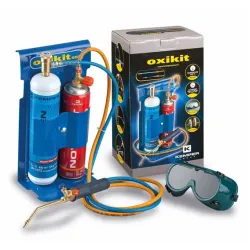
-250x250.webp "6Pc Welding Kit")