
Vegetables and Fruit Supply
AI Overview Fresh and frozen vegetable and fruit supply chains provide produce that is either delivered shortly after harvest for peak freshness or flash-frozen (often using Individual Quick Freezing - IQF) within hours of picking to lock in nutrients and flavor. These services offer cleaned, sorted, chopped, andIQF options—such as berries, vegetables, and fruit mixes—that are available year-round, ensuring consistent quality, reducing prep time, and minimizing waste for commercial, wholesale, and retail clients. Frozen Produce (IQF): Picked at peak ripeness, blanched (for vegetables), and rapidly frozen, resulting in nutrition levels often superior to "fresh" produce that has spent long periods in transit. Fresh Produce: Focuses on rapid, refrigerated logistics ("cold chain") to transport raw, whole items from farm to consumer, retaining maximum texture, though it is subject to seasonal, price, and availability fluctuations. Product Range: Includes IQF fruits (berries, mango, citrus), vegetables (mixed, peas, corn), leafy greens (kale, spinach), and processed items like diced or sliced vegetables. Year-round Availability: Frozen products are not affected by seasonality. Reduced Waste & Labor: Pre-prepared, pre-portioned, and easy to store, which lowers operational costs for food service providers. Quality Assurance: Adherence to strict food safety regulations and cold-chain management (e.g., maintaining -40°C during freezing processes). Food Service & Wholesale: Restaurants, schools, and hospitals use frozen, pre-cut, and pre-packed options for efficiency. Retail/Supermarket: Direct-to-consumer delivery of fresh produce or frozen stock-ups through online or in-store channels. Manufacturing: Supplying raw, frozen ingredients for food manufacturers and processors.
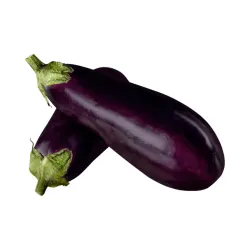
1kg Organic Brinjals
Organic Brinjals (Eggplants): Versatile, Nutrient-Rich Delights Elevate your culinary adventures ..
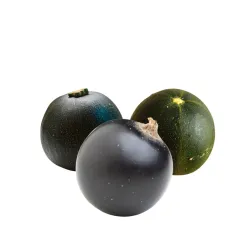
1kg Organic Gem Squash
Organic Gem Squash: Nature's Delight for Your Plate Savor the essence of freshness and health wit..
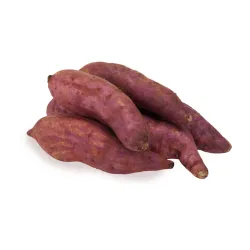
1kg Organic Sweet Potato
Organic Sweet Potatoes – Nature's Sweet Delight Indulge in the rich, natural sweetness of our org..
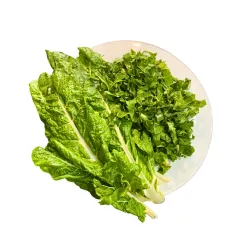
200g Organic Chopped Spinach
Organic Chopped Spinach Brighten up your meals with our fresh, Organic Chopped Spinach—packed with ..
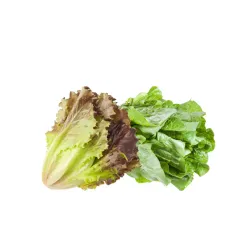
200g Organic Lettuce Mix
Organic Lettuce: Crisp, Fresh, and Nutrient-Rich Greens Elevate your salads with the freshness an..
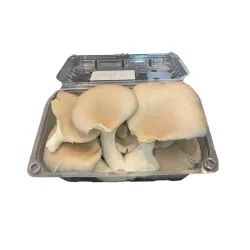
250g Grey Oyster Mushrooms
Grey Oyster Mushrooms 🍄 Delicate, flavourful, and locally grown with love These stunning Grey ..
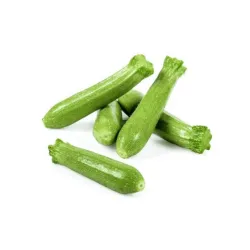
300g Organic Baby Marrow
Organic Baby Marrows – Petite Green Goodness for Your Plate Introducing our organic baby marrows ..
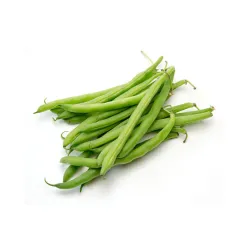
300g Organic Green Beans
Premium Organic Green Beans – Freshness Straight From Nature Indulge in the crisp, vibrant goodne..
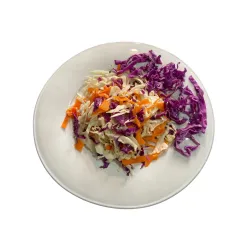
300g Organic Rainbow Coleslaw Mix
Organic Rainbow Coleslaw Mix Bright, crisp, and freshly shredded—our Organic Rainbow Coleslaw Mix c..
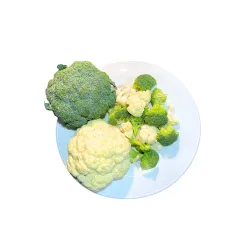
350g Organic Broccoli and Cauliflower Florets
Organic Broccoli & Cauliflower Florets Enjoy the perfect duo of crunchy, nutrient-packed veggies wi..