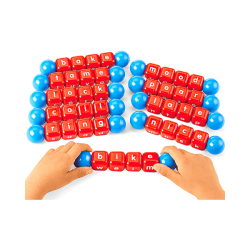
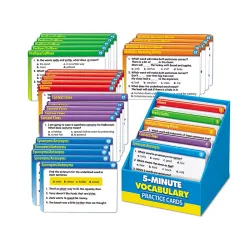
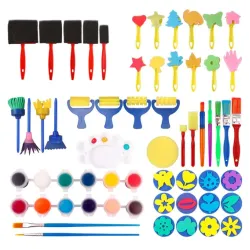
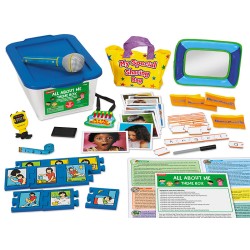
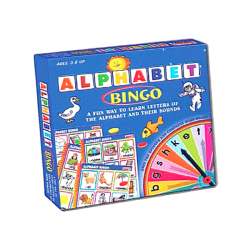
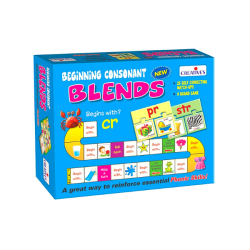
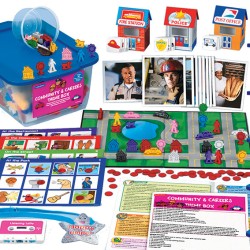
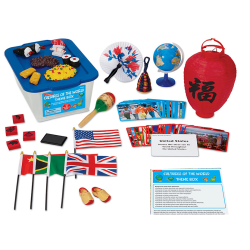
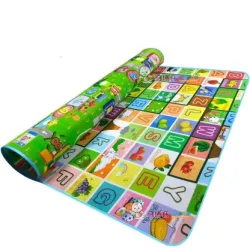
Educational toys, or "instructive toys," are specially designed, engaging objects that stimulate learning and development in children through play. These tools foster cognitive, social, and fine/gross motor skills, encouraging creativity, problem-solving, and spatial awareness while often integrating STEM concepts. They promote foundational, active, and, at times, collaborative learning.
Targeted Skill Development: These toys enhance logical thinking, concentration, and sensory development, helping children explore the world while gaining new skills.
Types & Materials: Ranging from simple, tactile wooden toys (Montessori tradition) to complex electronic or robotic kits.
Age-Appropriate Choices:
0-12 Months: Focus on sensory stimulation—rattles, soft books, and teething toys that improve grasping and motor skills.
Toddlers & Older: Building blocks, puzzles (jigsaw), and logic games that promote spatial reasoning, STEM skills, and, in some cases, early language.
Educational vs. Traditional: While traditional toys like dolls or cars encourage open-ended, imaginative, and social-emotional play, educational toys often have a specific,, purposeful learning objective or outcome.
Benefits: They enhance cognitive development, social interaction, and motor skills while making playtime productive and engaging.