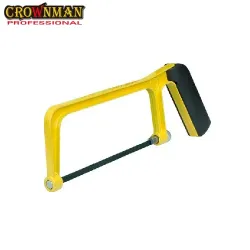
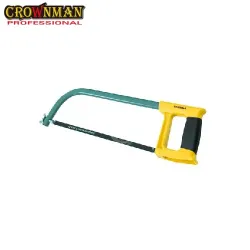
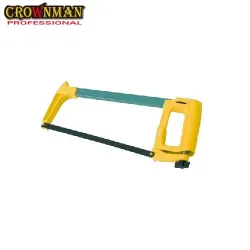
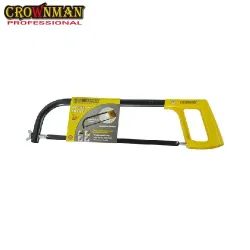
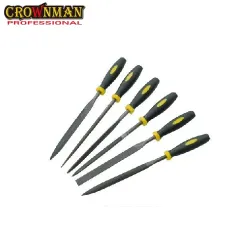
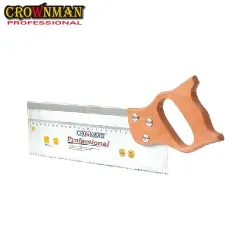
Carpentry tools range from essential hand tools for precision and layout to heavy-duty power tools for efficiency and large-scale projects. Mastering the basics—measuring, cutting, and joining—is the foundation of every successful build.🛠️ Essential Carpentry Tools, 📏 Measurement & Layout
Precision is the most critical part of carpentry.
Tape Measure: The primary tool for measuring lengths, widths, and heights.
Combination Square: Used to mark 90° and 45° angles, check for squareness, and measure depths.
Speed Square: A triangular marking tool essential for framing, roofing, and quick angle layout.
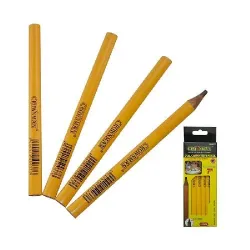
Carpenter's Pencil: Flat-sided to prevent rolling and allow for thick or thin marking lines.
Level: Ensures surfaces are perfectly horizontal (level) or vertical (plumb).
Chalk Line: Best for marking long, straight lines on large boards or floor surfaces.
🪚 Cutting & Shaping
Hand tools offer finesse, while power tools provide speed.
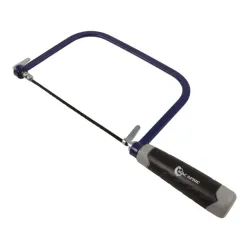
Hand Saws: Includes crosscut saws (cutting across the grain) and rip saws (cutting with the grain).
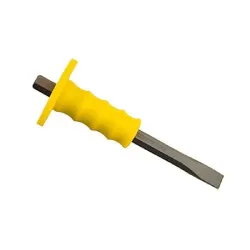
Chisels: Essential for carving, cleaning out joints (like dovetails), and detail work.
Circular Saw: The versatile "workhorse" for straight cuts in lumber and plywood.
Jigsaw: Best for cutting curves, intricate shapes, and decorative patterns.
Hand Plane: Used to smooth, flatten, and square up wood edges or surfaces.
🔨 Assembly & Fastening
Tools used to bring individual pieces together into a solid structure.
Claw Hammer: The most iconic tool; one side drives nails, the other pulls them out.
Power Drill: Essential for drilling pilot holes and driving screws quickly.
Clamps: Holds wood pieces securely while glue dries or during assembly.
Impact Driver: Provides higher torque than a standard drill, ideal for long screws and heavy fasteners.