AI Overview
Fasteners and fixings are mechanical hardware components used to securely join, attach, or hold materials and objects in place. While often used interchangeably, they have distinct, subtle differences in application: fasteners usually create non-permanent joints that can be removed (e.g., screws, bolts), while fixings are generally used for more permanent, structural, or surface-mounted, connections (e.g., wall plugs, anchors).
Fasteners (Temporary/Adjustable): Designed to join two or more objects together and are often removable or adjustable.
Fixings (Permanent/Stable): Designed to securely attach an object to a surface (like a wall or floor), often for long-term or permanent installation.
Materials: Both are commonly manufactured from carbon steel, stainless steel, aluminum, brass, or plastic, selected based on corrosion resistance and strength requirements.
Screws: Threaded fasteners used for joining wood, metal, or plastic, offering high holding power and easy removal.
Bolts & Nuts: Externally threaded fasteners used with matching nuts for high-strength, heavy-duty structural or machinery applications.
Nails: Simple,, often permanent, fasteners typically used for wood, driven by a hammer or nail gun.
Anchors/Wall Plugs: Used to secure objects to masonry, brick, or drywall where no existing structural support is available.
Rivets: Permanent, high-strength, fasteners used for joining metal sheets, often in aircraft or automotive applications.
Washers: Thin plates, used with fasteners to distribute load and prevent damage to the material.

-300x300.jpeg "Fastening and Fixing")
-250x250.webp "1000 PCS DRYWALL SCREW BUGLE HEAD PHILLIP DRIVE FINE THREAD, BLACK PHOSPHATED, 3.5X25,BUCKET")
-250x250.webp "10pcs curtain hooks & eyes silver")
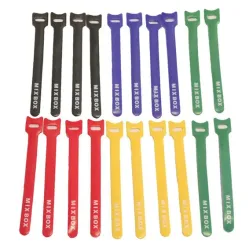
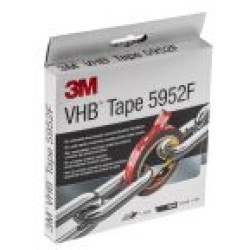
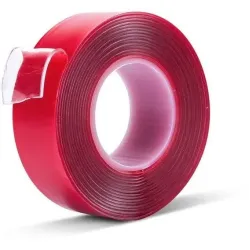
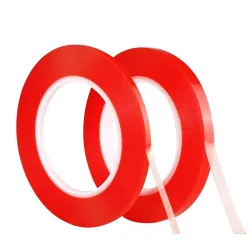
-250x250.webp "5PK SINGLE HOOKS, 9MM X 40MM W X 125MM H")
-250x250.webp "Abracon round wire nails 100x4.00mm 5kg")